



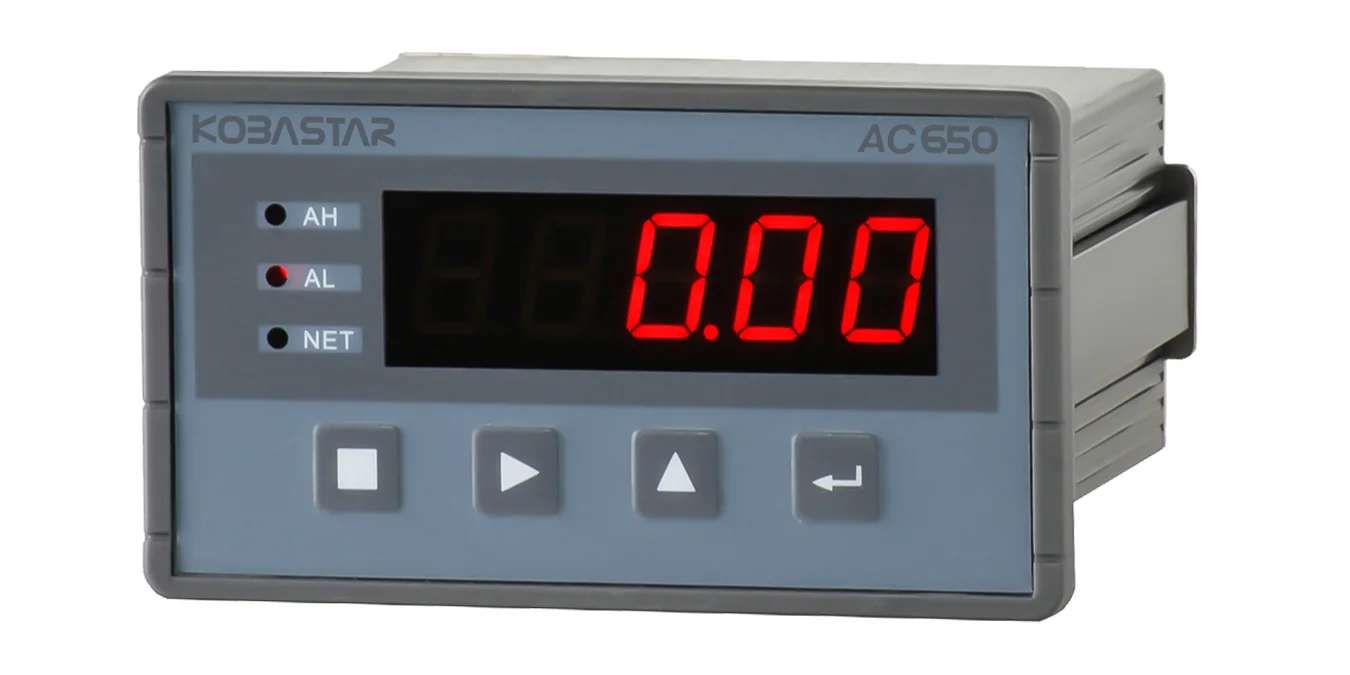

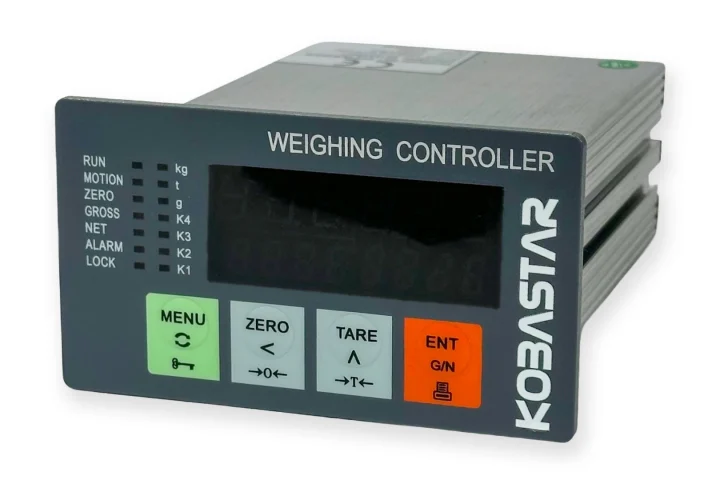
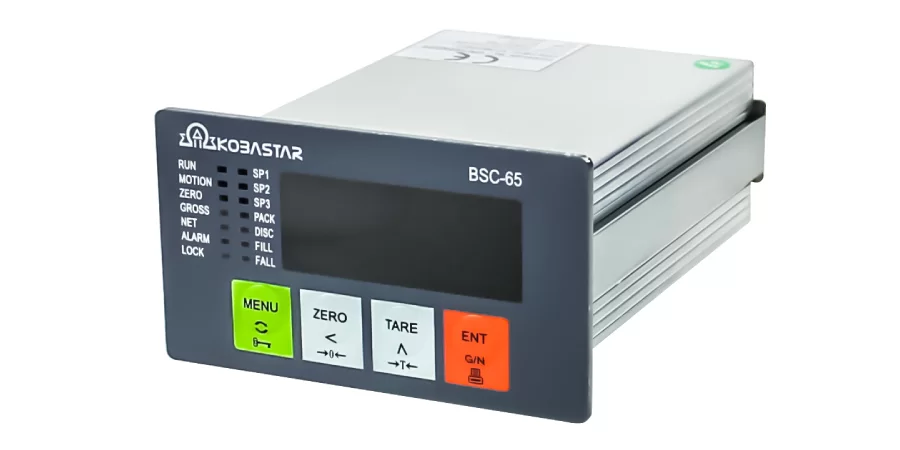
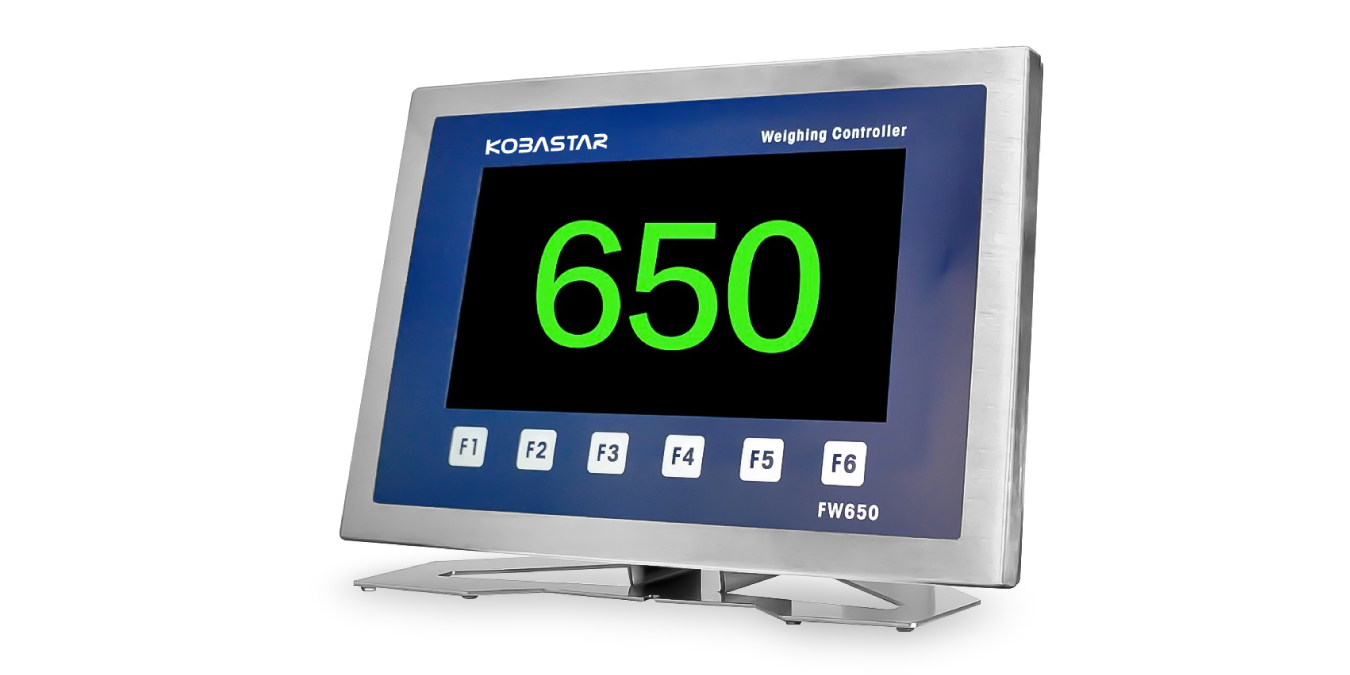
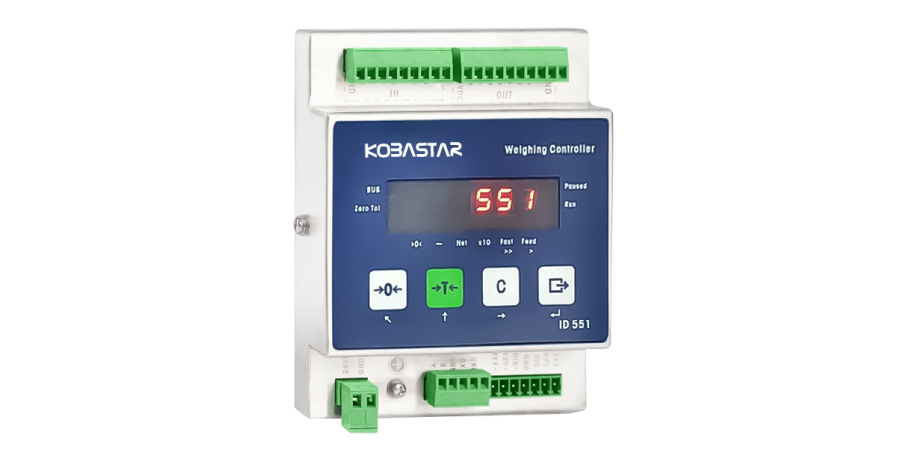
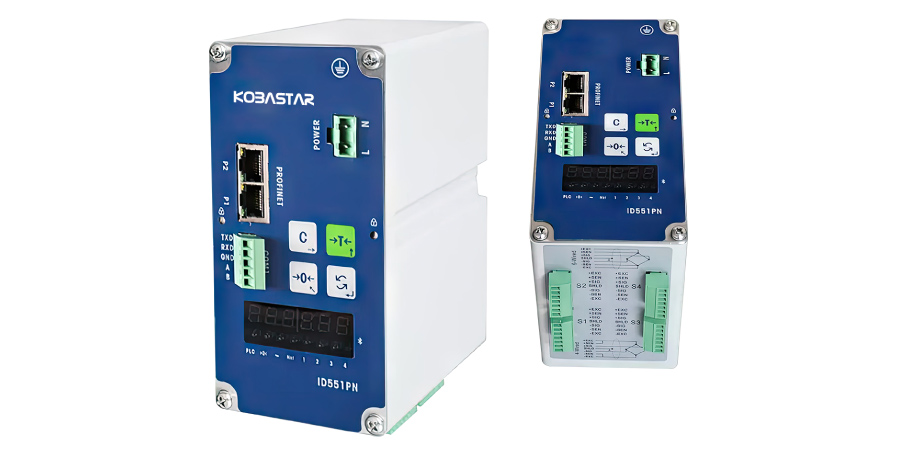
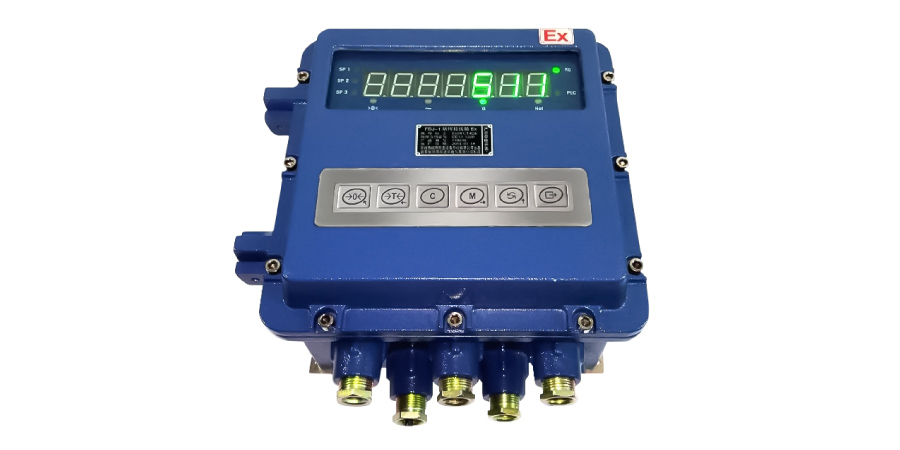
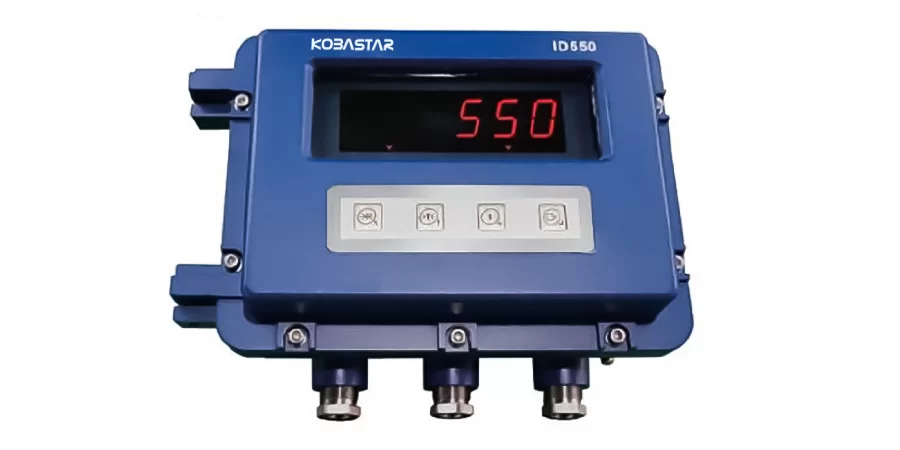
In industrial processes, precise measurements are critical for production quality and efficiency. Checkweighing indicators are one of the important measurement tools used in these processes.
What is a Checkweighing Indicator?
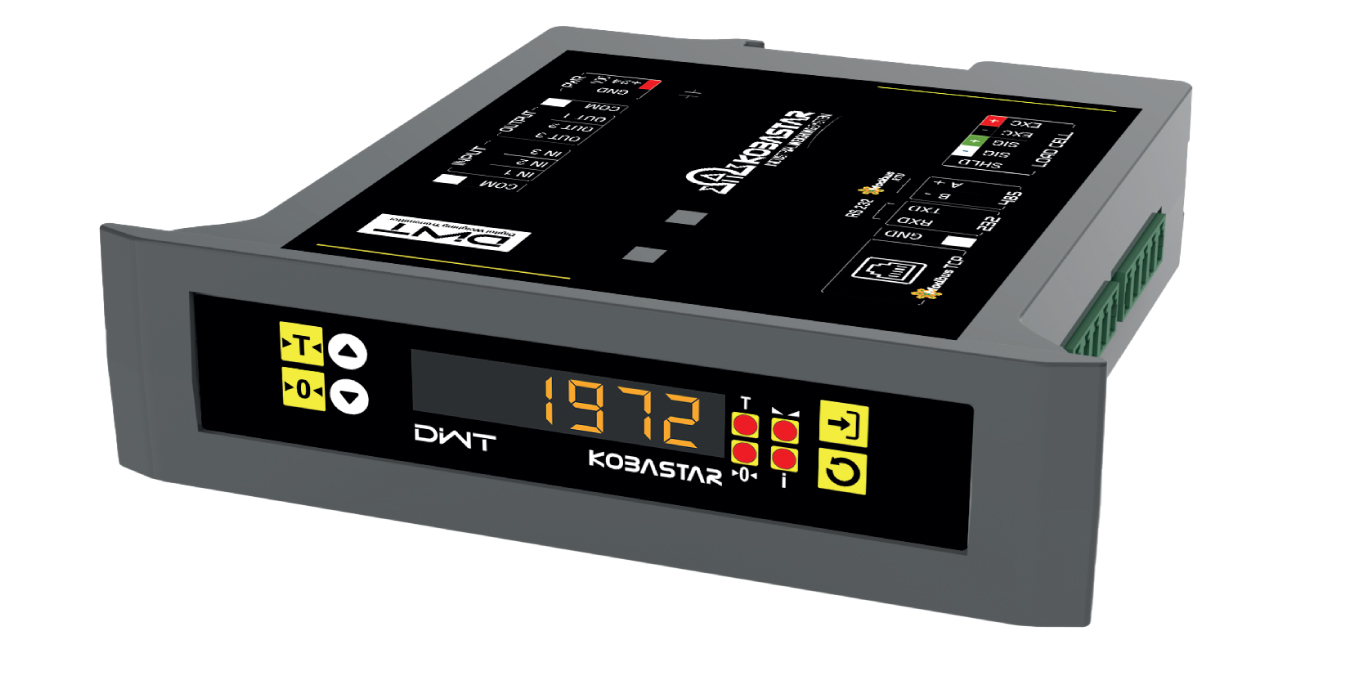
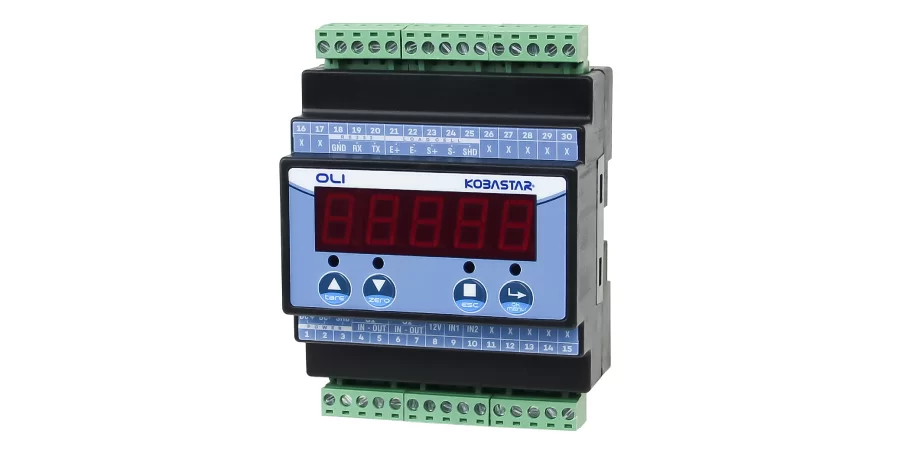
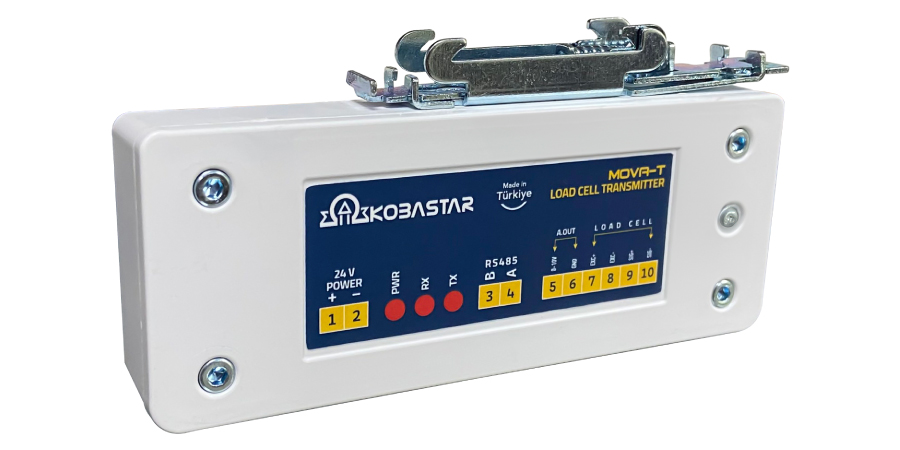
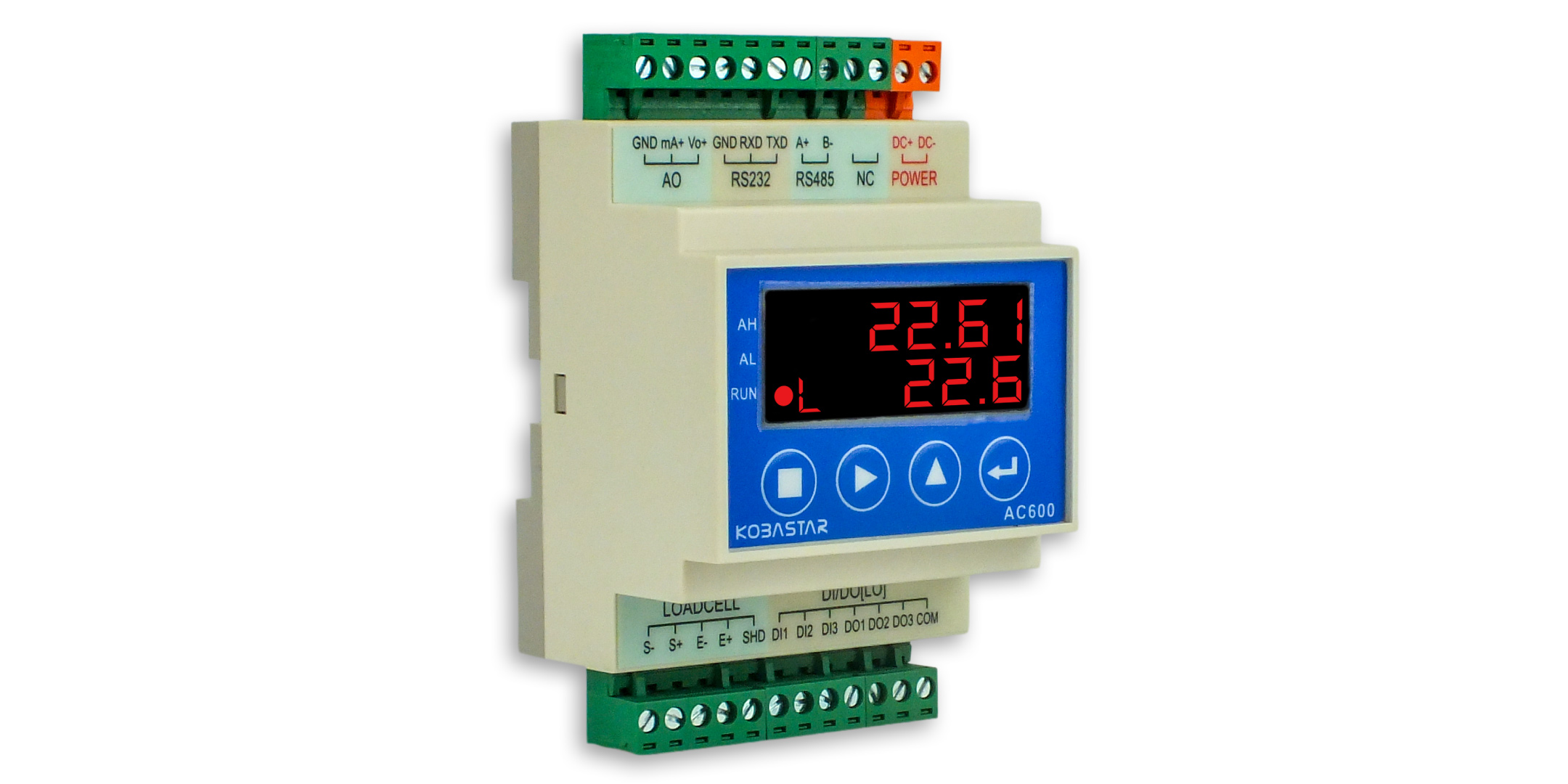
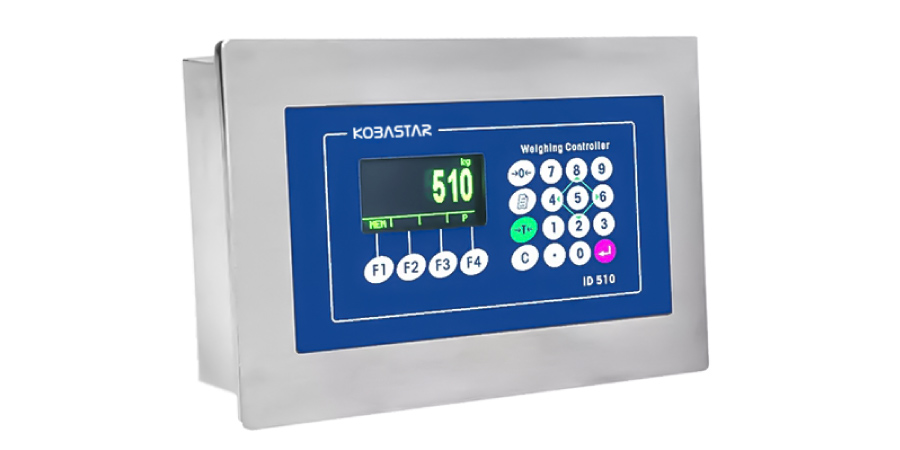
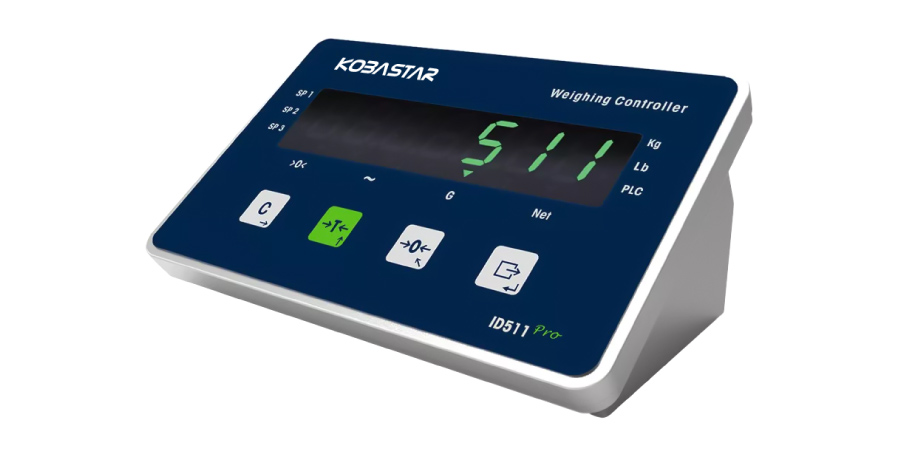
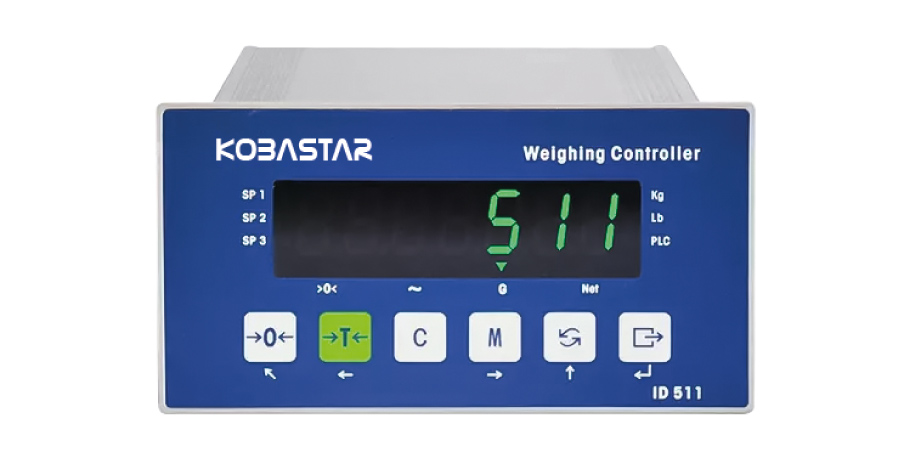
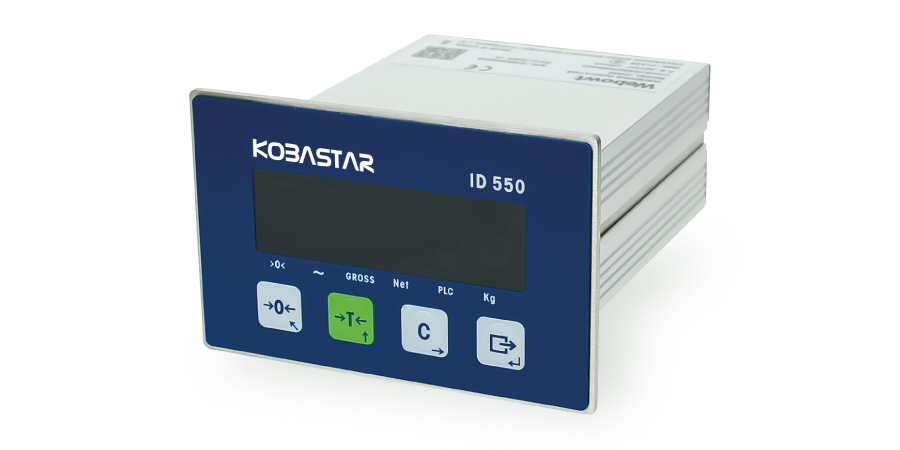
Checkweigh indicators are measuring devices used in industrial processes and are generally preferred for precision weighing operations. These indicators are designed to measure and control a specific load. They are widely used in controlling material flow and quality control, especially in manufacturing processes.
Working Principle
Checkweighing indicators can be based on a variety of operating principles. The most commonly used principles include strain-gage technology, electromagnetic measurement, and piezoelectric sensors.
- Strain-Gage Technology: This technology measures the deformation of a material through strain gauges placed on it. As the load increases, the material stretches and the resistance in the strain gauges changes. This change is transmitted to the meter as a signal.
- Electromagnetic Measurement: In this principle, the interaction between a coil and a magnetic substance is used. An object under charge is detected by a coil in a magnetic field, and this information is transmitted to an indicator.
- Piezoelectric Sensors: These sensors use the conversion of mechanical stress applied to a specific material into an electrical signal. A material under load is measured through voltage changes generated by piezoelectric sensors within it.
Advantages
Using a checkweighing indicator has a number of advantages:
- Precise Measurements: Indicators are known for their ability to measure with high precision. These properties make it ideal for precise control of material flow in industrial processes.
- Fast Response Time: Check weighing indicators have the ability to react quickly to load changes. This feature is important for adapting to dynamic conditions in production processes.
- Automatic Control Opportunity: Checkweighing indicators in advanced models can be integrated with automatic control systems. This can make it possible to automatically correct and optimize processes.
Industrial Applications
Checkweighing indicators have a variety of applications across many industrial sectors:
- Food Industry: Precision weighing is critical for quality control in food production. Checkweighing indicators can help control the flow of materials accurately and precisely.
- Pharmaceutical Industry: In pharmaceutical production, it is important to use the right amount of raw materials and to dose products precisely. Checkweighing indicators can provide reliable measurements in these processes.
- Chemical Industry: In chemical manufacturing processes, accurate measurement of materials used in specific chemical reactions is critical. Checkweighing indicators can meet the precise measurement needs in this industry.
Checkweighing indicators are essential tools designed to meet precise measurement needs in industrial processes. Based on various working principles, these indicators have advantages such as high sensitivity, fast response time and automatic control possibilities. This technology, which is used in many sectors such as the food, pharmaceutical and chemical industries, plays an important role in improving production quality and optimizing efficiency.