Bagging and Packaging Solutions
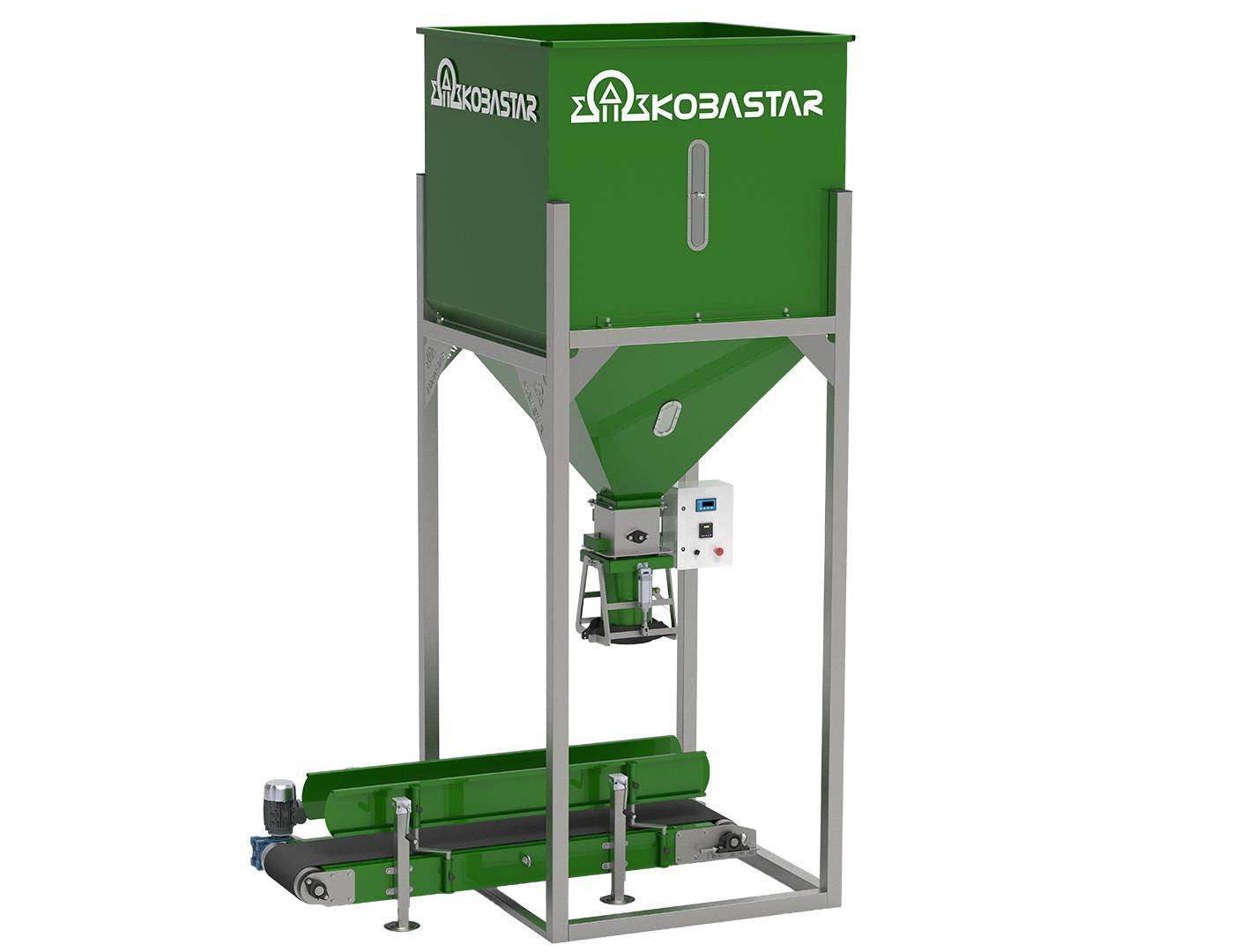
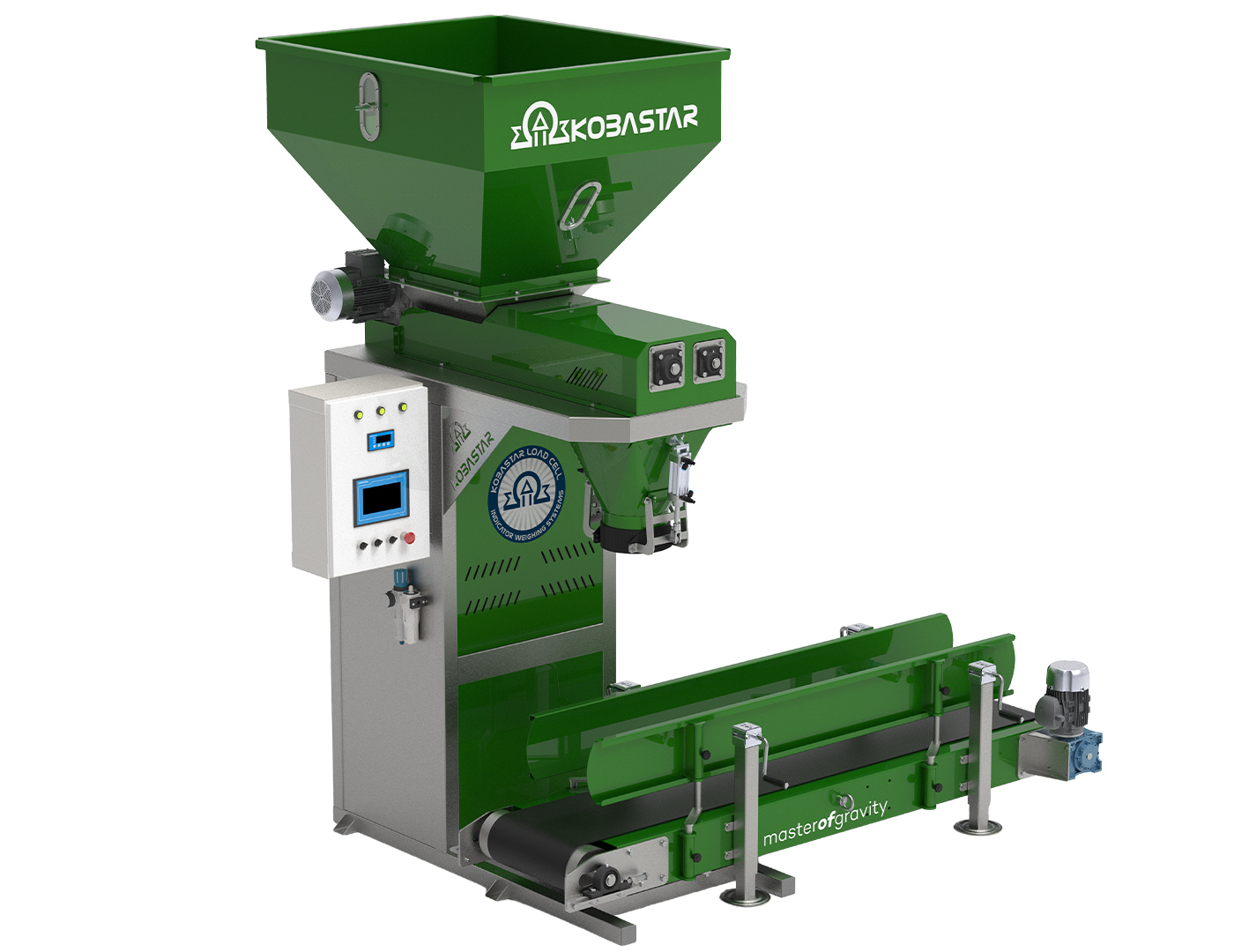
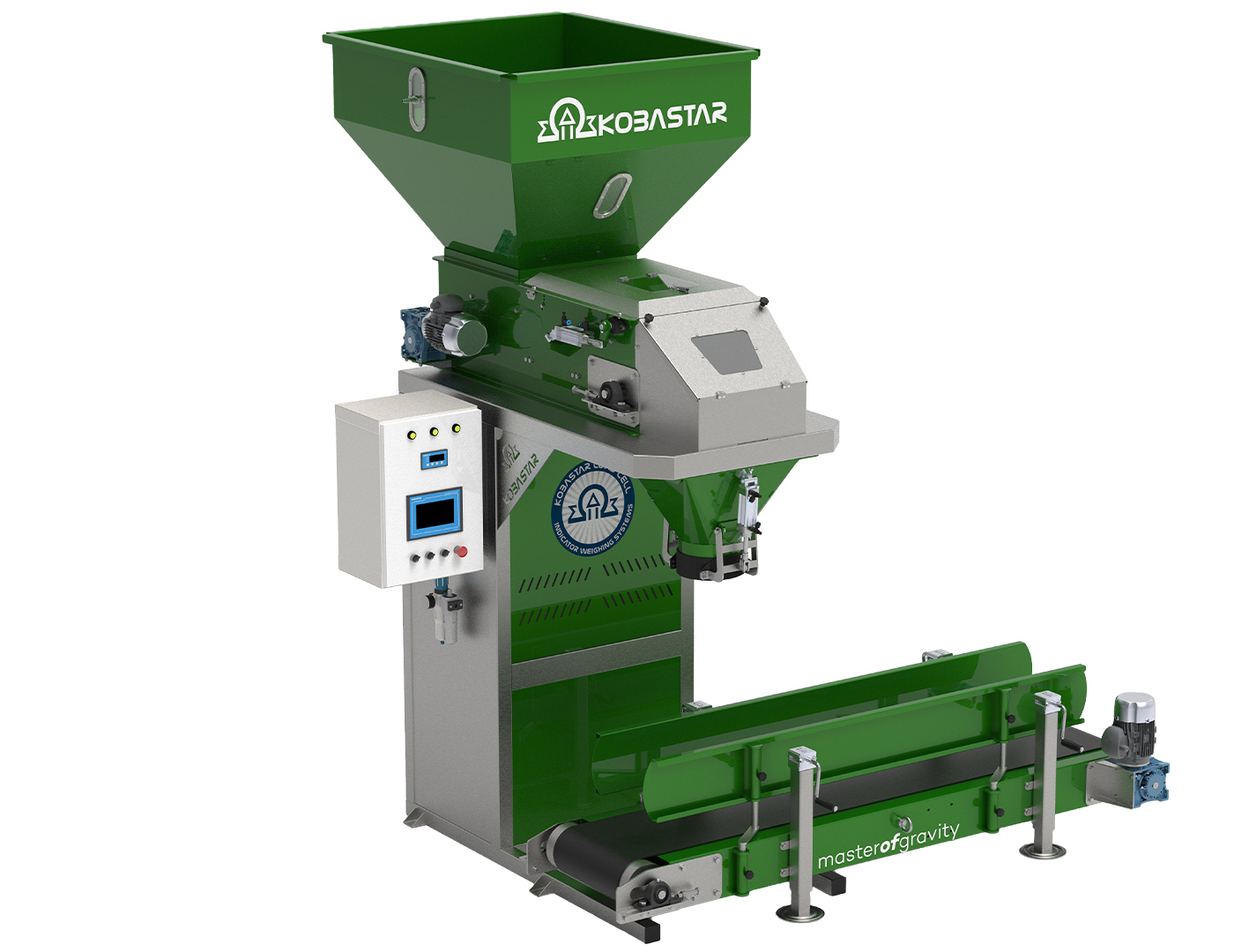
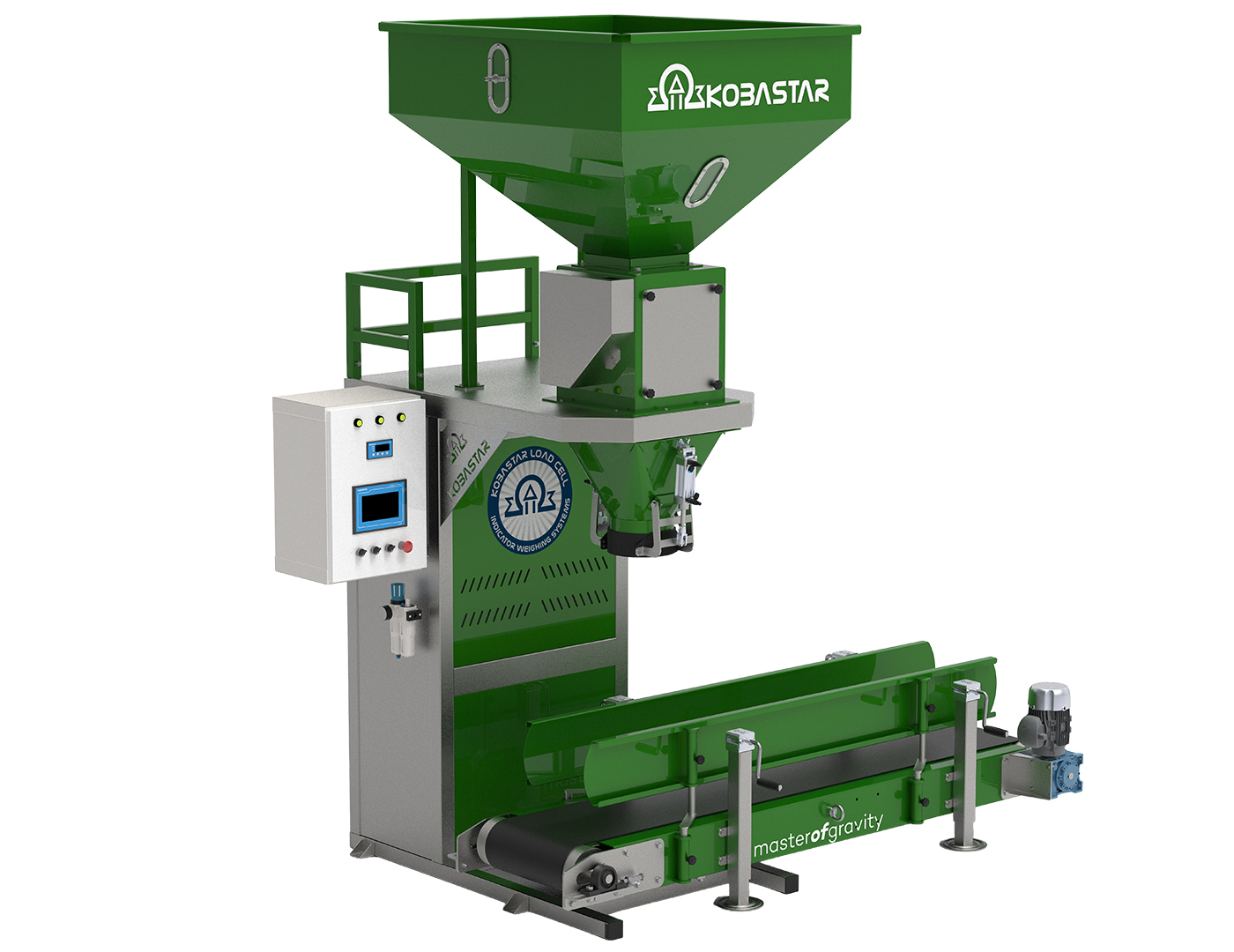
A bagging scale is an industrial weighing system that allows the product to be precisely weighed at the specified weight and filled into bags, sacks or big bags. These systems, also known as bagging machines, sack filling machines, bag filling machines and automatic packaging machines; It is used in the controlled packaging of feed, pellets, fertilizers, coal, cereals, granular raw materials and powder products.
Kobastar bagging scale product group includes solutions suitable for different applications such as flap, conveyor belt, auger, kraft bag filling and big bag filling. When choosing the right bagging machine, the product structure, weighing range, target capacity, and desired automation level should be evaluated together.
What is a Bagging Scale?
The bagging scale is the system that ensures the controlled feeding, weighing and transfer of the product to the bag until it reaches the desired weight. In the industry, especially
10 kg,
25 kg,
50 kg It is commonly used in standard sack filling applications such as For higher weights, the big bag filling machine comes into play. The primary purpose of these systems is to ensure that each bag is filled with the same weight and minimize deviations caused by manual filling.
A bagging machine is not just a weighing equipment. It also manages the flow of products, optimizes filling time, and sets the rhythm of the production line. Therefore, choosing the right sack filling machine often directly affects production speed.
Why Does Choosing a Bagging Machine Vary by Product?
The flow character of each product is different. While small-grained products such as cereals can be easily managed with a controlled lid system, belt feeding gives more balanced results for coarse-grained products such as pellets and coal. In powder products, the screw filling system works much more controlled. If the bagging system is not selected according to the structure of the product, the following problems may occur:
- Weight deviations per bag
- Irregularity in the flow of products
- Blockage or overflow at the filling neck
- Loss of capacity
- Excess product waste
- Increased operator dependency
For this reason, the first question when choosing a bagging scale should not be "how many kilos to fill?", but "which product flows and how?".
Kobastar Bagging Machine Types
There are many bagging machine options with different feeding and weighing logics in the Kobastar product family. The table on the page is a good start to quickly compare these systems. The following information helps you to understand more clearly which system is preferred and why.
Flap Bagging Machines
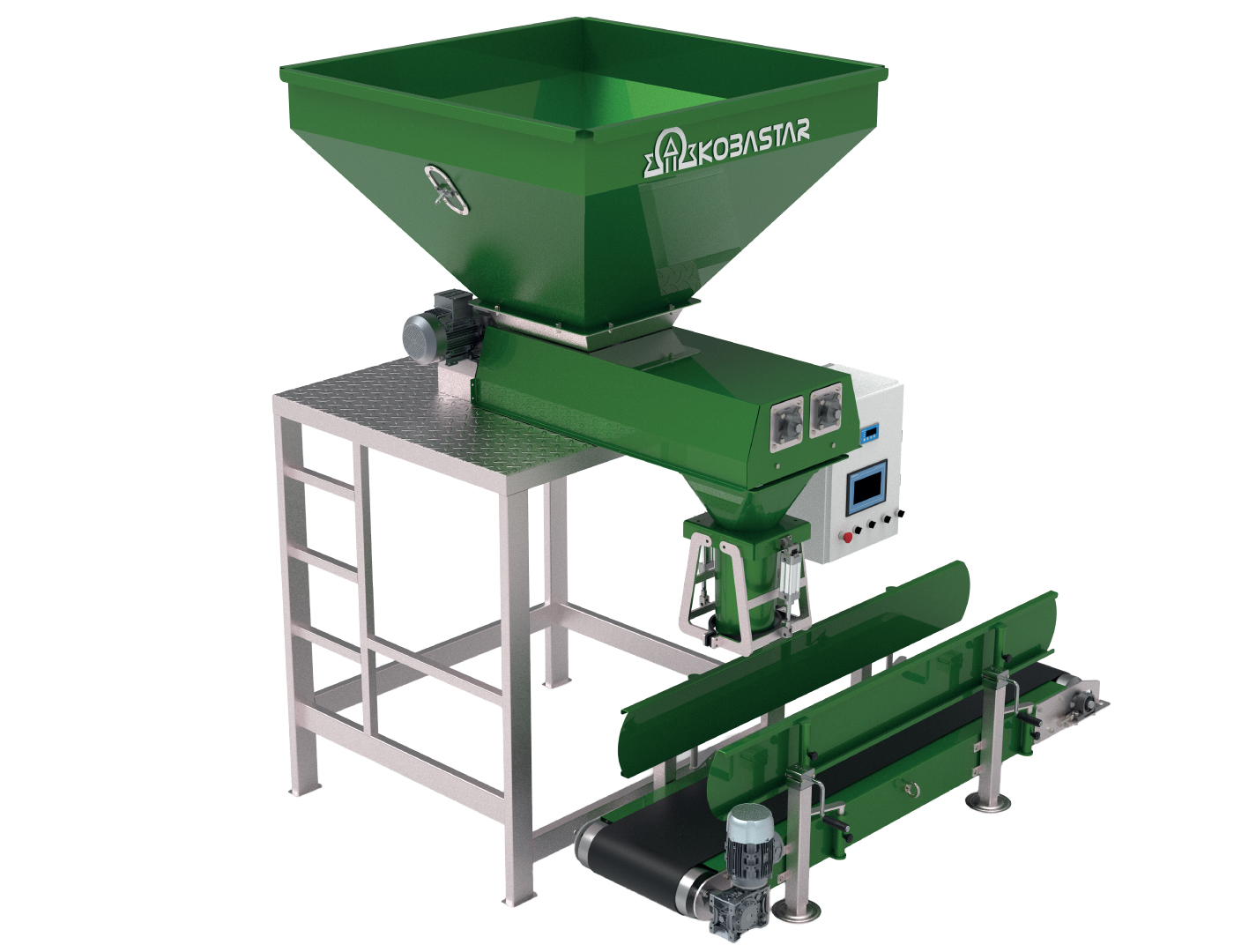
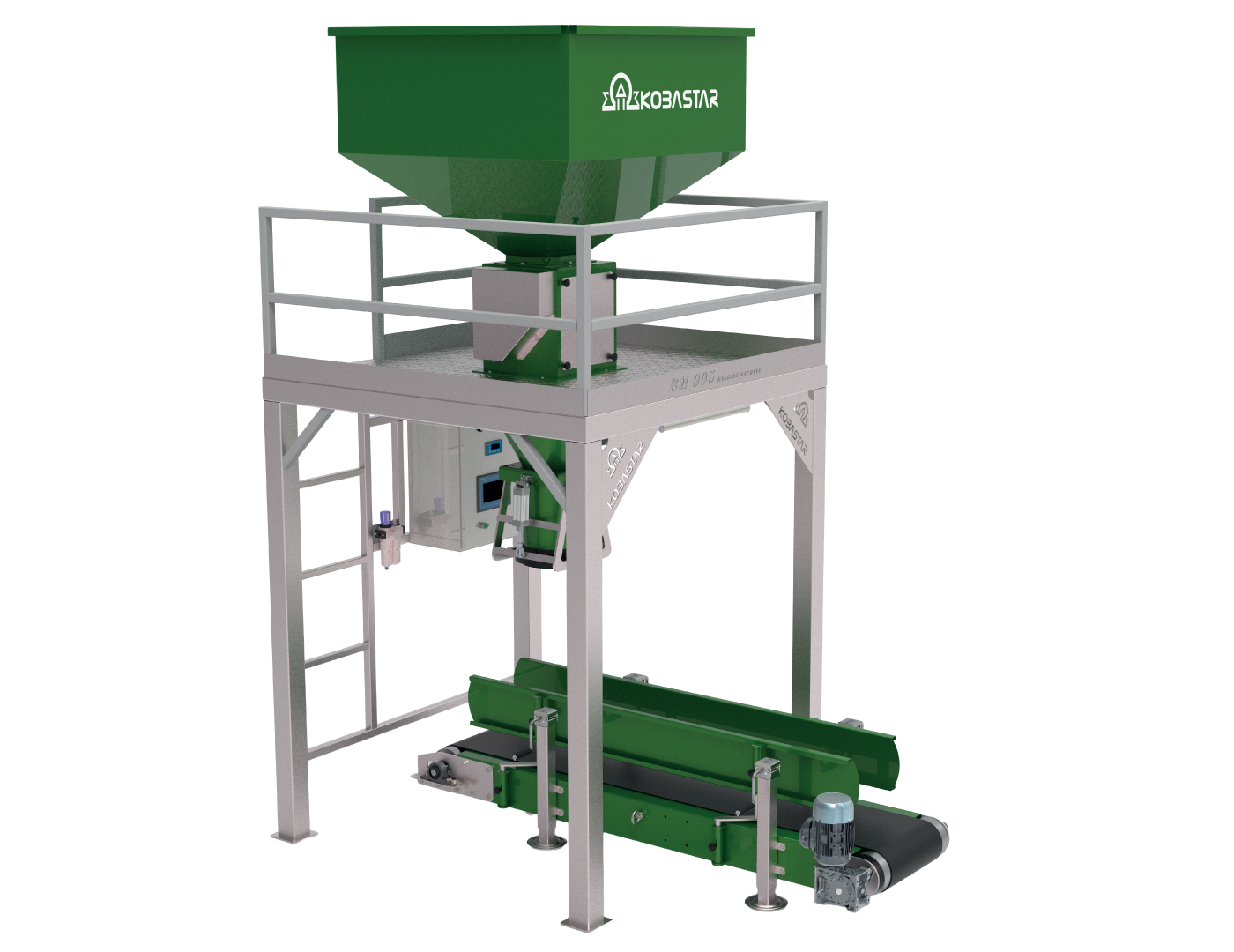
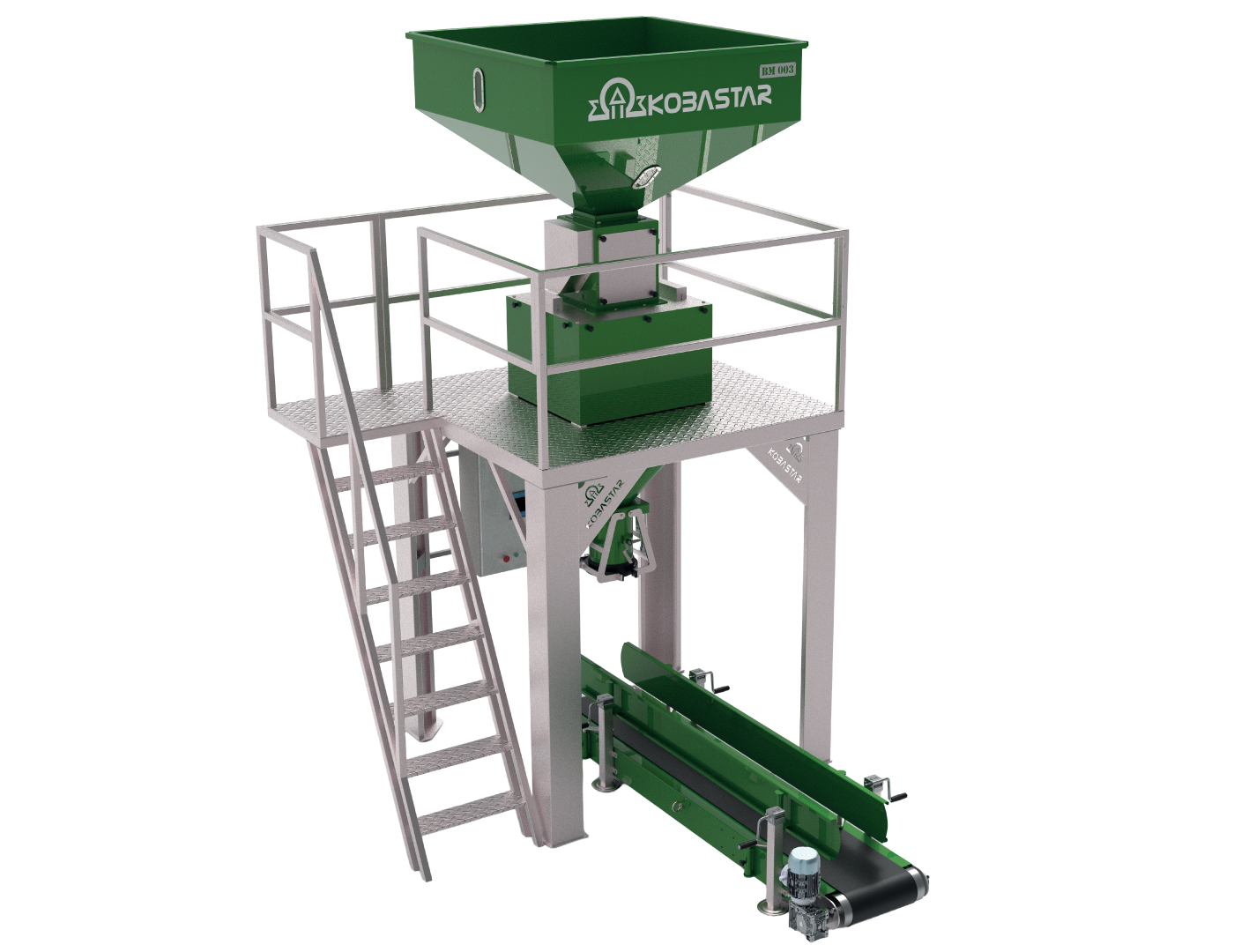
Flap bagging machines are systems that provide controlled filling, especially for cereals and small grain products. Models with a single weighing single station flap such as BM03; Thanks to its compact structure, easy use and balanced flow management, it provides advantages in small and medium-sized lines. For facilities looking for more economical solutions, models like BM05 ECO may come to the fore. When the capacity requirement increases, options with multiple weighing structures are evaluated.
The flap bagging machine is generally preferred in applications where the product flow is not very aggressive. It can be the right solution for standard filling processes such as grain bagging, grain packaging and so on.
Conveyor Belt Bagging Machines
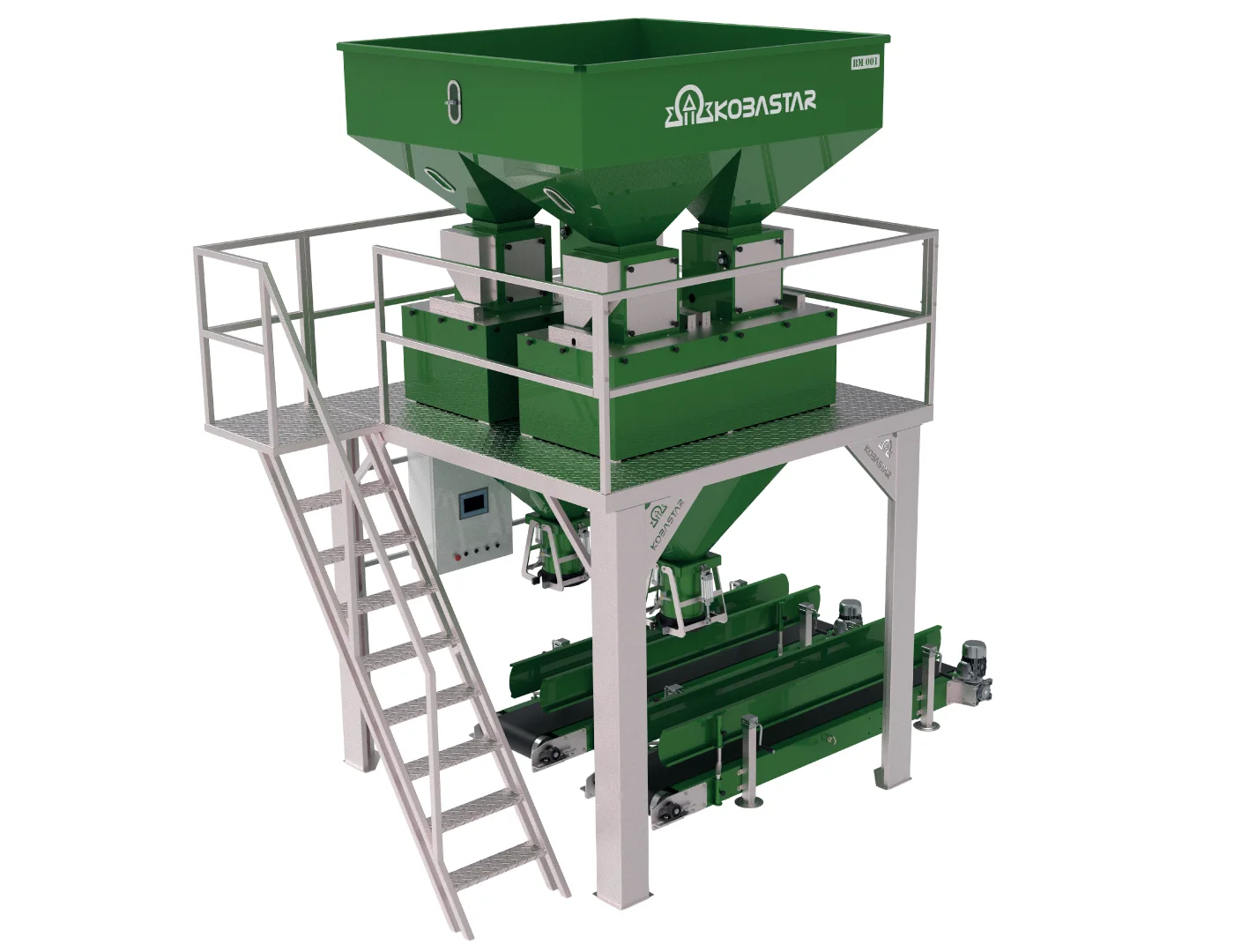
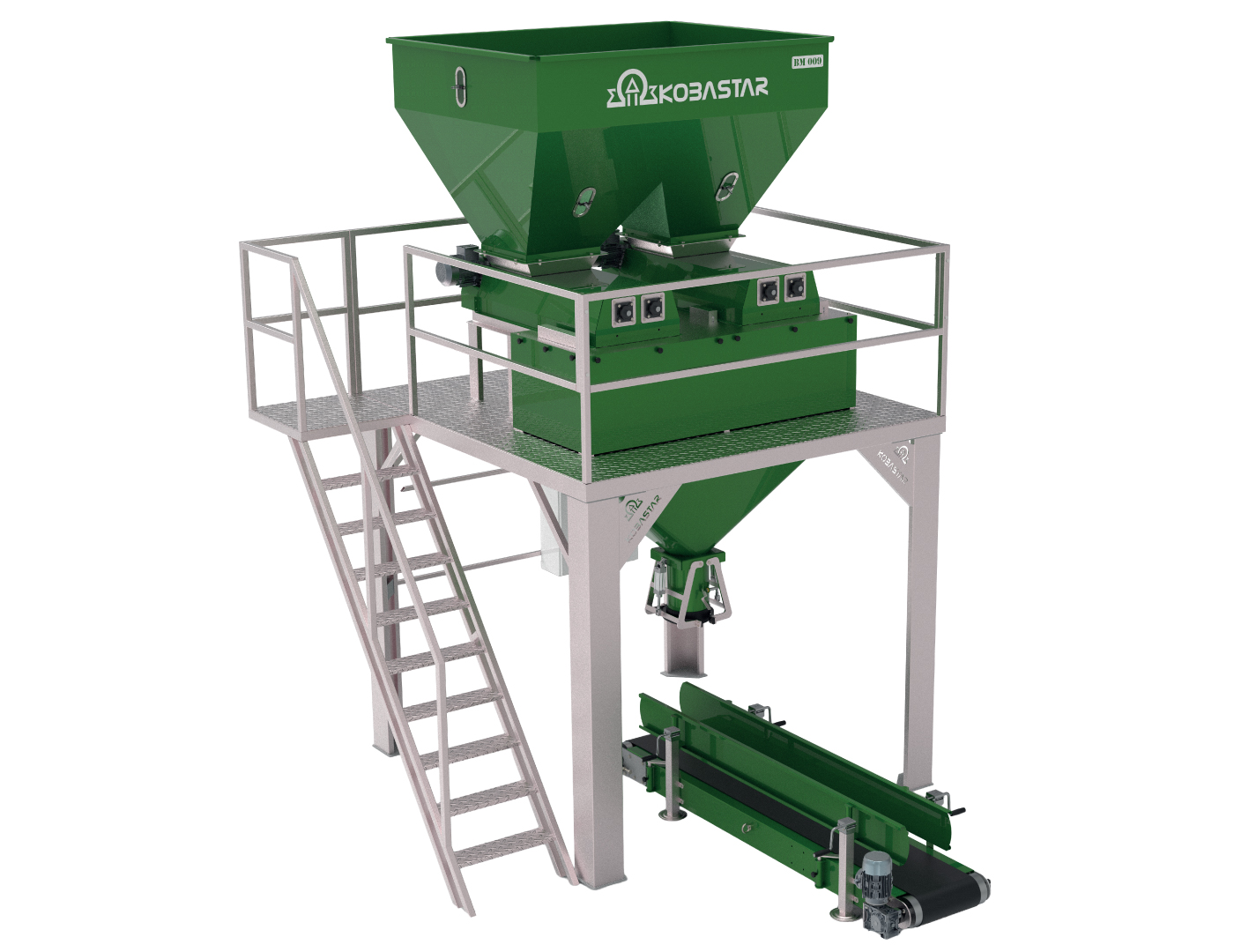
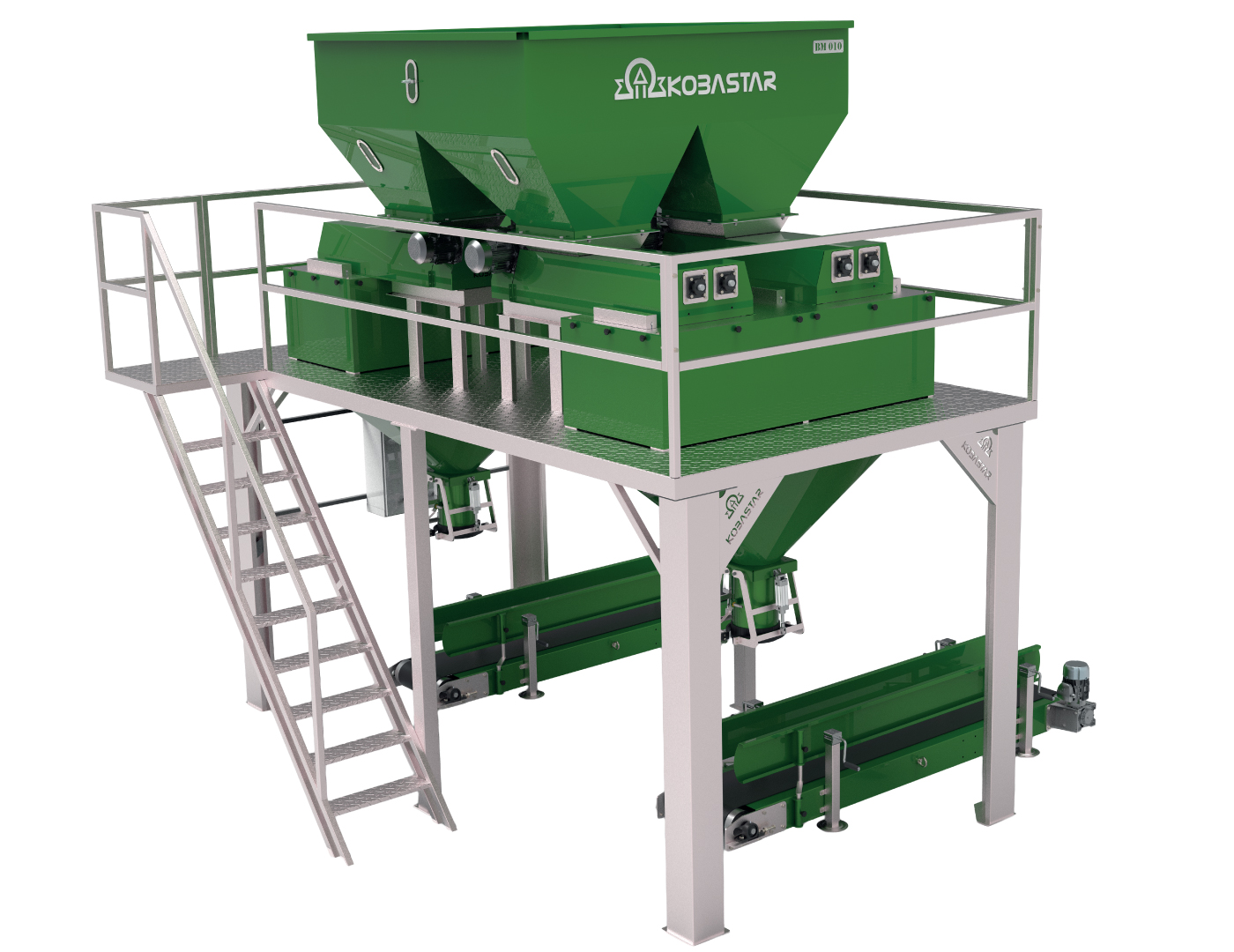
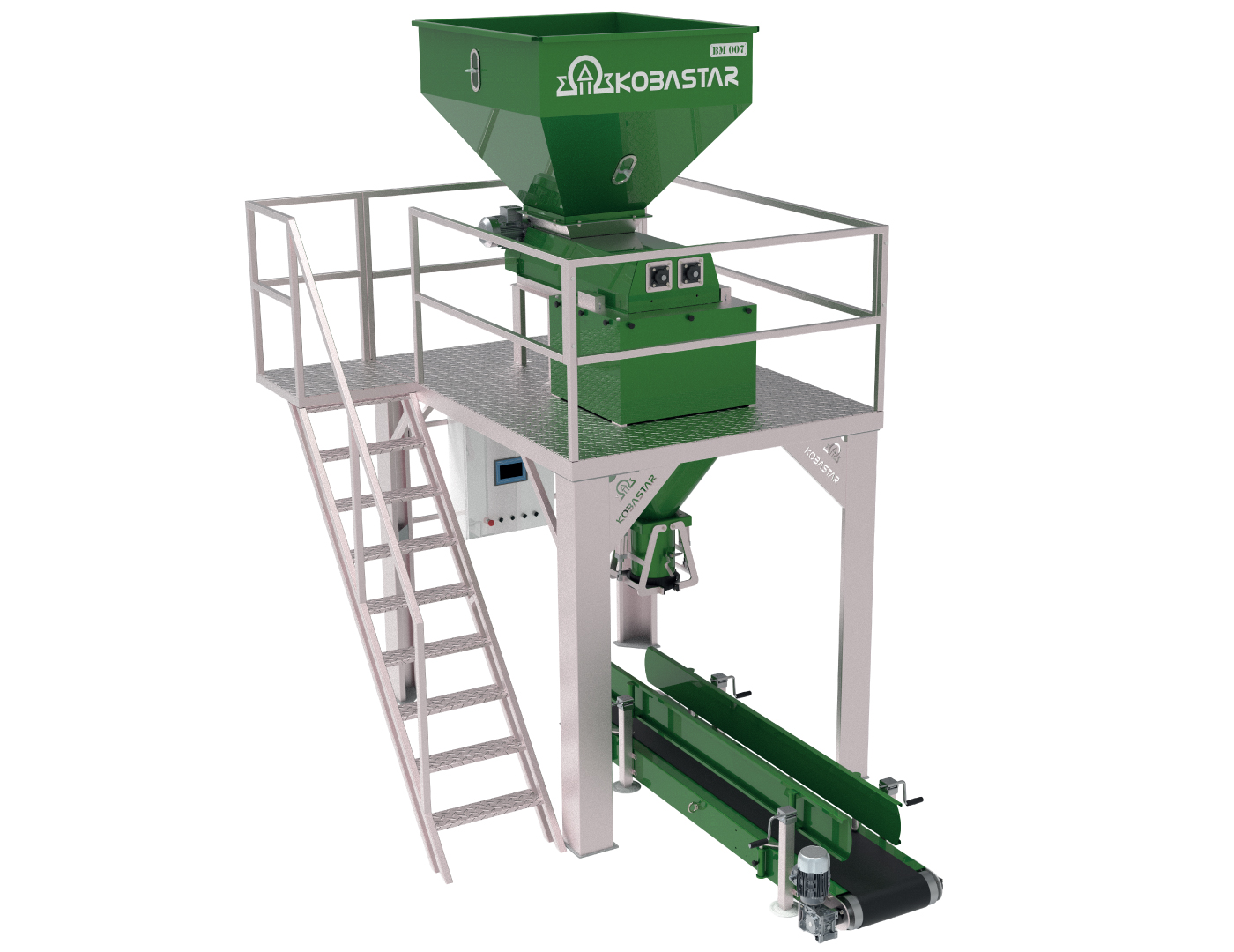
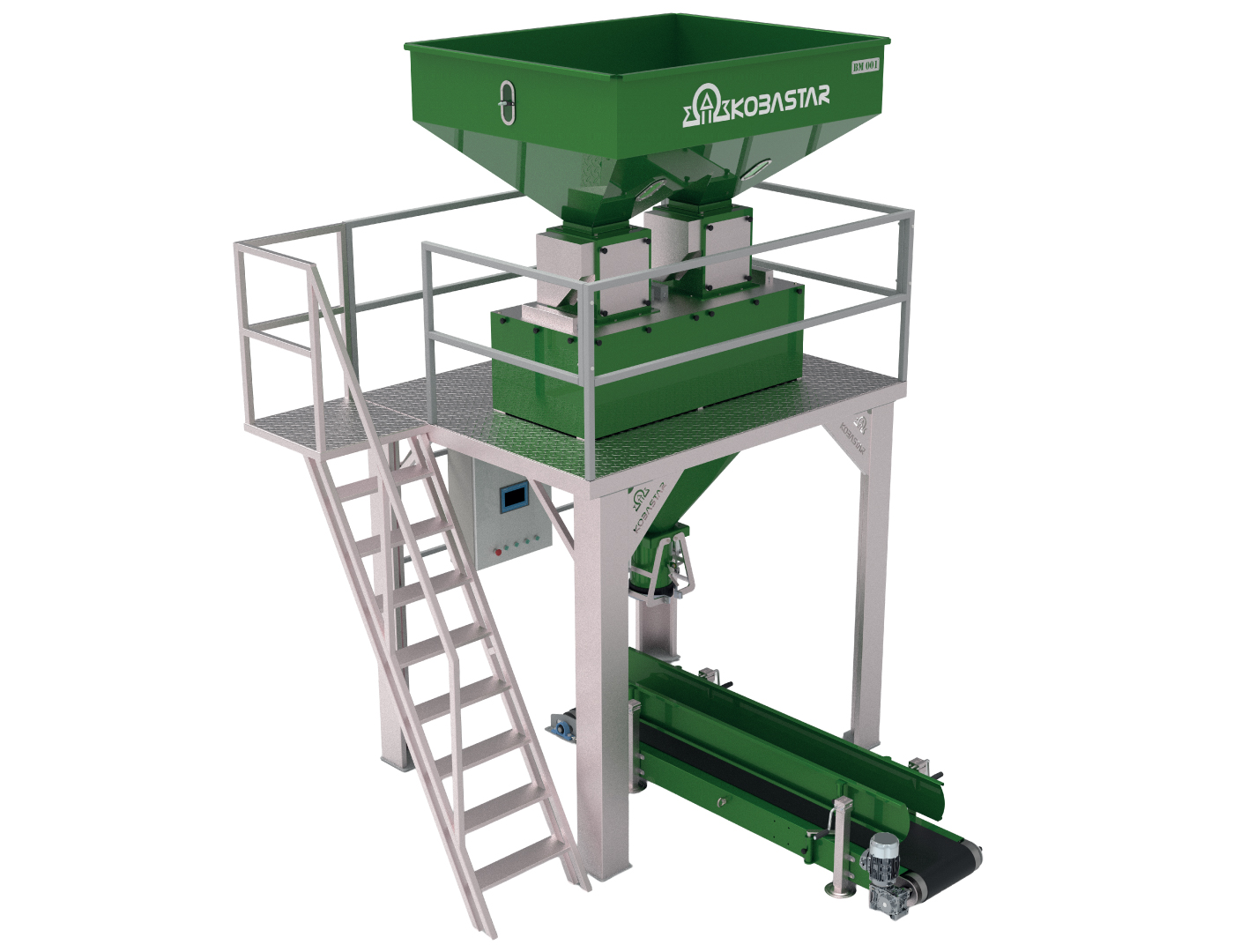
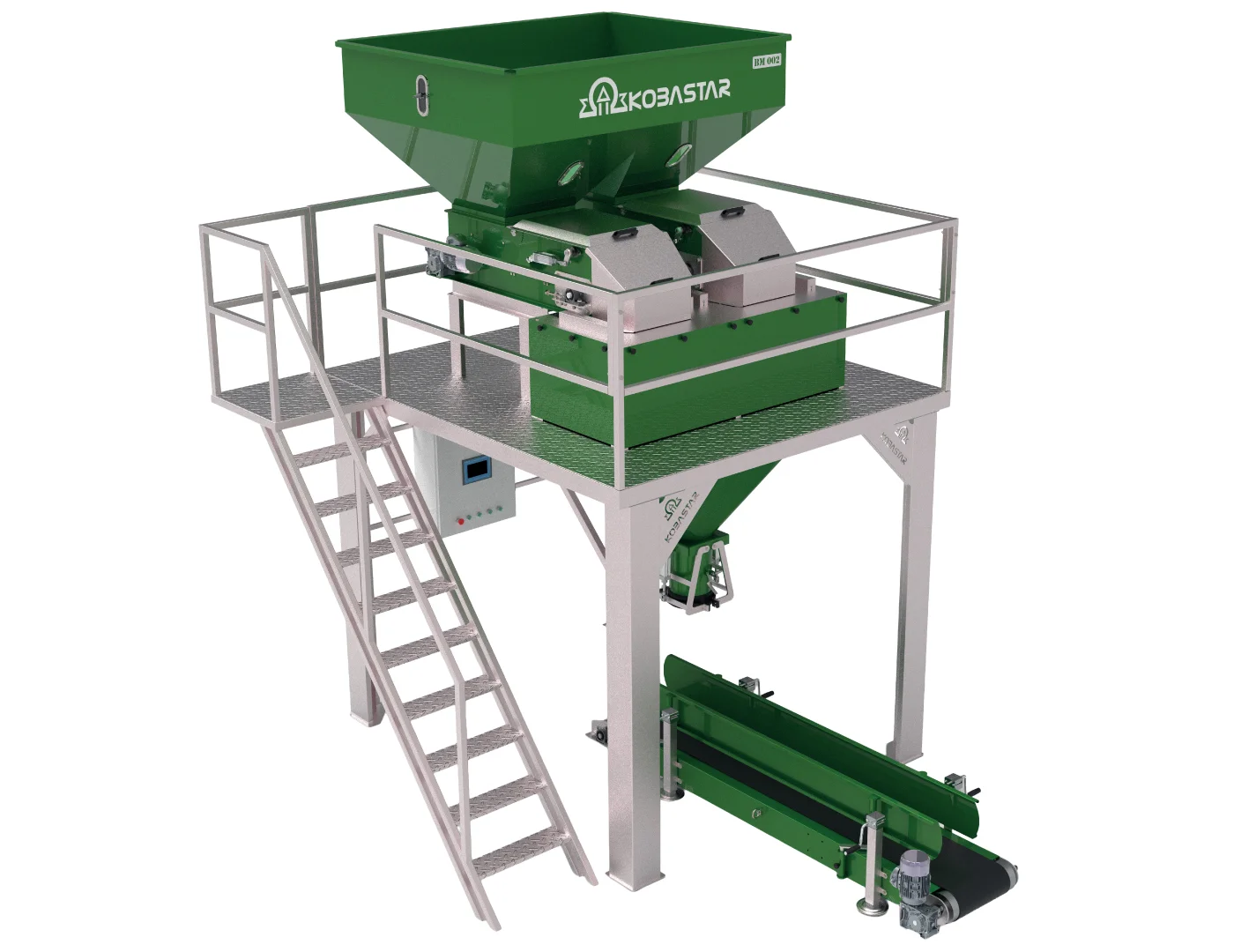
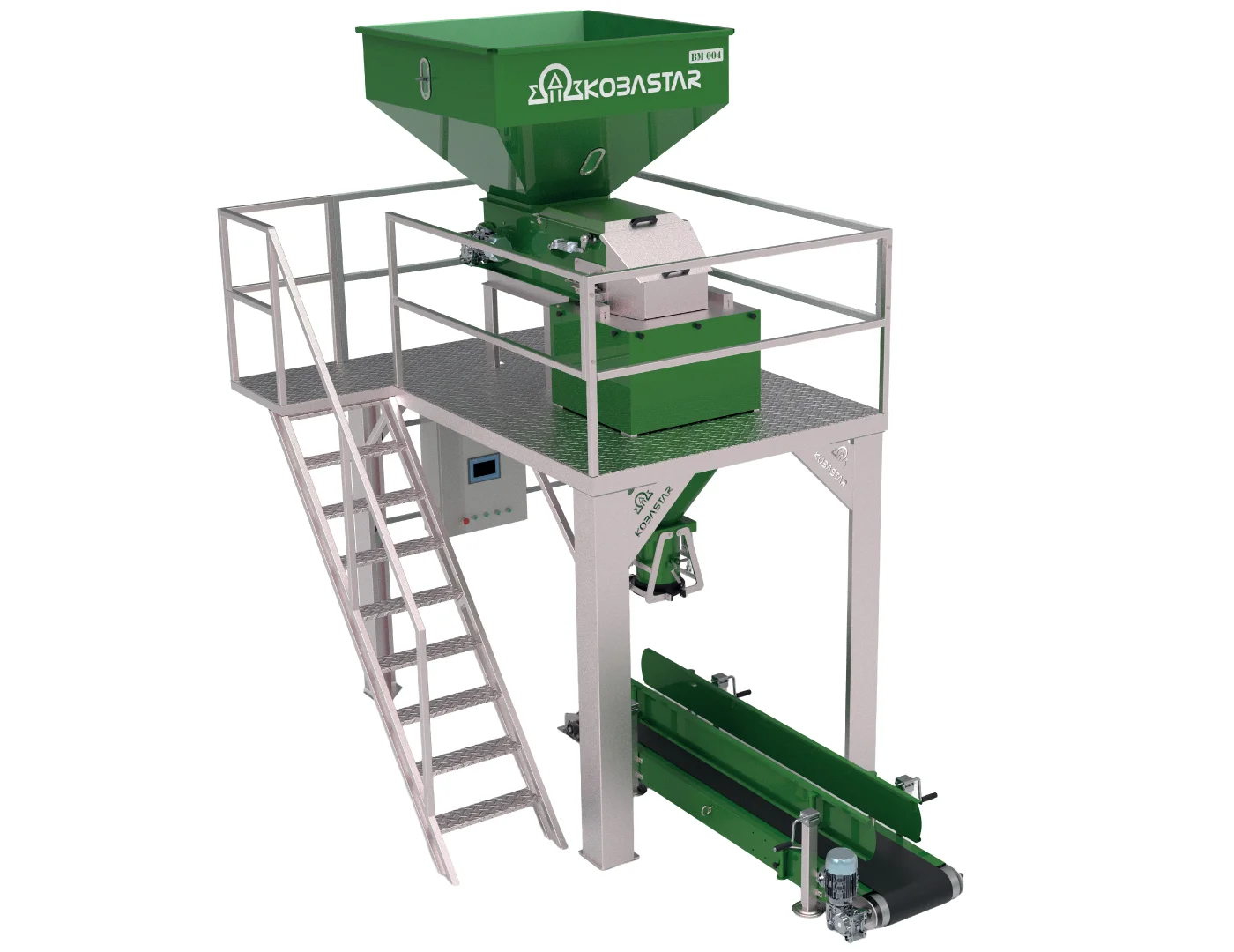
Conveyor belt bagging machines; It provides more controlled feeding in pellets, coal, pumice stone and medium-coarse grain products. The most important advantage of the belt system is that it delivers the product to the weighing chamber more evenly and manages the flow of coarse-grained materials more easily. The BM04 is suitable for medium-capacity applications with its single-weighing, single-station structure. Dual weighing single station systems, such as the BM02, offer a more efficient structure for plants that require higher output. Four-weighing-double station systems, such as the BM11, provide significant capacity advantages in high-volume production lines.
Belt systems are often the right choice for businesses looking for pellet bagging machines, charcoal bagging machines, or granule product packaging machines.
Screw Powder Filling Machines
Filling is one of the most critical areas for powder products. Because product flow requires not only speed but also stability. This is where the auger powder filling machine excels. Fine powders, fertilizers, detergents and similar products with sensitive flow The spiral system ensures a more controlled progress of the product. The BM06 and similar screw bagging machines are therefore particularly preferred in powder-based applications.
When choosing a powder filling machine, filling cleanliness is just as important as accuracy. If fine products experience dispersion, leakage or sudden discharge, the screw feeding system gives much safer results.
Kraft Bag Filling Machine
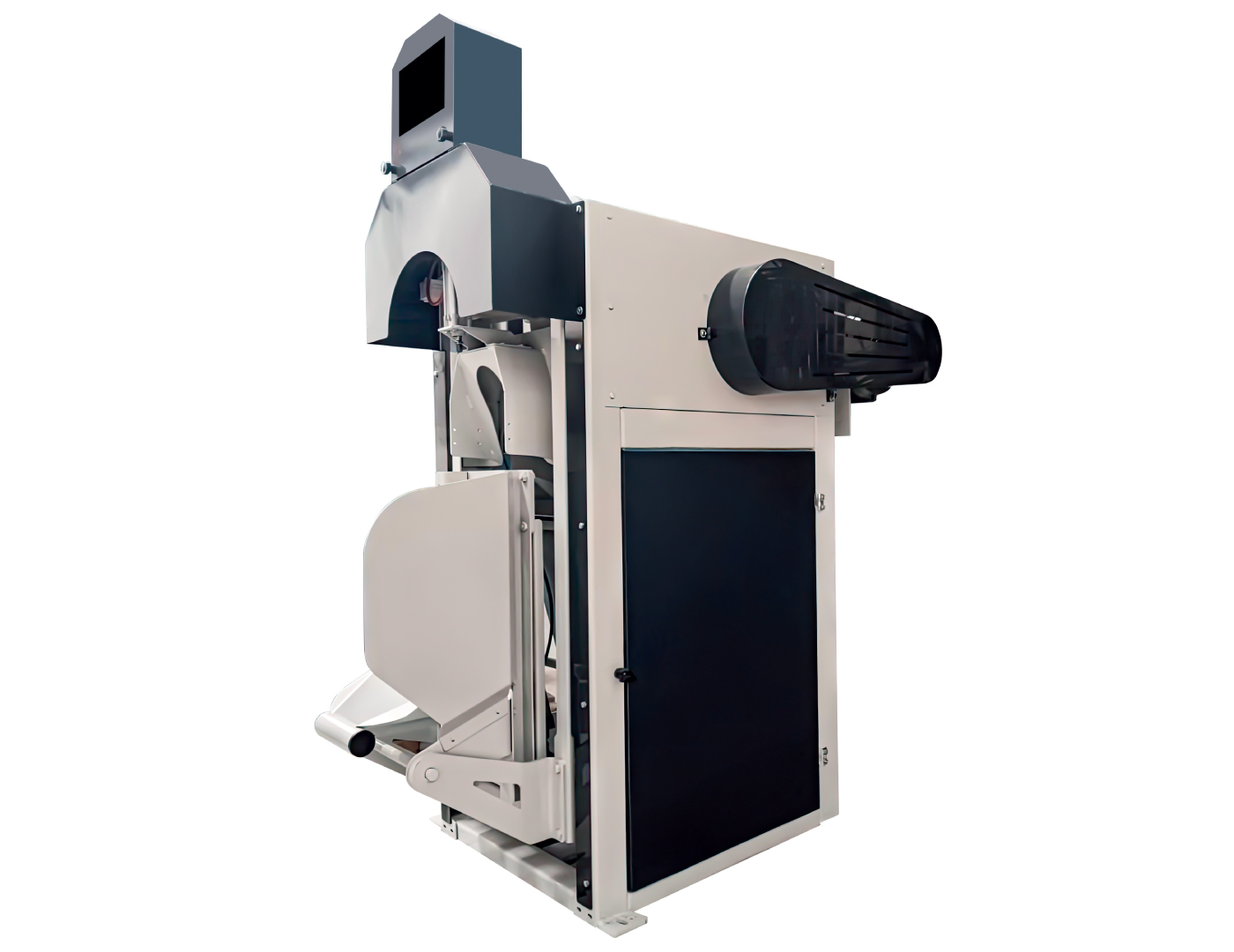
Kraft bag filling machine is a solution developed for a special need in facilities that use valved kraft bags. Especially in cement, fertilizer, chemical and powder-based product lines, clean filling, low wastage and smooth bag form are important. In such applications, kraft bag filling systems are preferred instead of standard sack filling machines. Because the valve bag logic ensures that the product is placed in the bag more regularly and prepared for more controlled shipment.
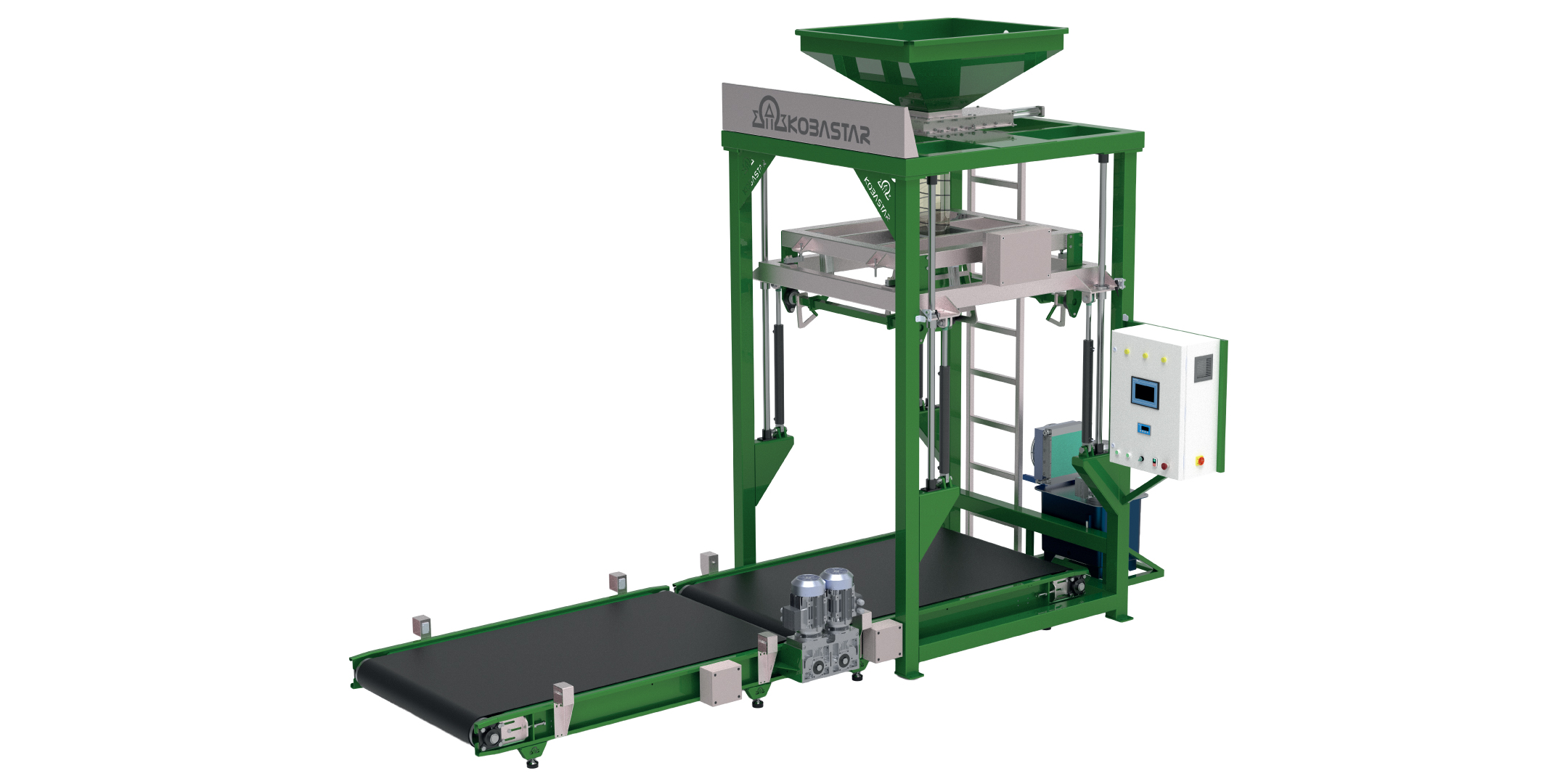
Big Bag Filling Machine
Big bag filling machine, standard
25-50 kg Unlike sack filling
500-1000 kg It is used for large bags in the range. It is an ideal solution for agricultural products, plastic raw materials, granular materials, mineral products and bulk products. Big bag filling systems reduce labor and facilitate transportation processes in high-tonnage shipments.
If the product is to be stored or shipped in large volume bags instead of small bags, a big bag filling machine should be considered instead of a classic bagging machine.
Automated Packaging and High-Capacity Systems
For some businesses, bagging is not just about filling; bag closure, line flow, and packaging rhythm are also part of the process. For such needs, more integrated systems such as double weighing automatic packaging machines come to the fore. For businesses looking for a feed bagging machine, pellet packaging machine, or high-tonnage sack filling line, the automatic packaging structure provides a significant advantage. Especially in facilities that produce in shifts and want to reduce manual intervention, such systems work much more efficiently.
Which Bagging Machine is Suitable for Which Product?
Flap bagging machine can be preferred for small grain and grain products. For pellets, coal, granular fertilizers, and coarse particle products, conveyor belt bagging machines provide more balanced filling. For powder detergent, powder fertilizer, flour-like fine products and chemical raw materials, the screw powder filling machine gives more accurate results. Kraft bag filling machine stands out in lines where valve bags are used. In applications where large volume shipments are required, the big bag filling machine is more efficient.
The critical point here is this: the best bagging machine is not the most expensive or the highest capacity model; It is the most suitable system for your product flow, bag type and target production speed.
What to Consider When Choosing a Bagging Scale?
The following headings should be evaluated together for the right bagging scale selection:
1. Physical Structure of the Product
Is the product powder, granule, coarse-grained, small-grained? Is streaming easy or hard? These questions determine whether the filling system is flapped, belted or spiraled.
2. Weighing Range
The machine's
10 kg,
25 kg,
50 kg or
500-1000 kg It should be clear whether it will serve big bag applications. The weight range directly affects the class of the machine.
3. Hourly Capacity
For a low-volume operation, one weighing one station may be sufficient. However, production lines that require high throughput require double weighing or quadruple weighing systems. At this point, the bag/hour and ton/hour target should be clearly determined.
4. The Need for Accuracy
Filling deviation can create serious costs for some products. Precise weighing per bag is important, especially for products with high commercial value. Therefore, the accuracy value and control structure must be taken into account.
5. Level of Automation
Will it only be filled, or is automatic packaging and line integration also required? HMI display, indicator, automatic control and packaging line compatibility become important at this point.
What Affects the Bagging Machine Price?
Bagging machine prices do not only vary according to the size of the machine. The type of filling system, weighing structure, number of stations, product characteristics, target capacity, automation level and the type of bag to be used directly affect the price. For example, a standard sack filling machine with a single station and a double weighing automatic packaging machine are not in the same investment class. Likewise, big bag filling machines with screw filling systems developed for powder products appeal to different needs.
For this reason, when researching the price of a bagging scale, not only the initial cost; criteria such as reducing product loss, labor savings, speed increase and long-term production efficiency should also be looked at together.
Why Kobastar Bagging Scale?
Kobastar bagging machine solutions have a wide product structure to meet the different filling needs of different sectors. Single weighing, double weighing and four weighing systems; It offers a wide range of uses, from small-scale packaging to high-tonnage industrial filling. Thanks to the flap, conveyor belt and screw feeding options, solutions suitable for many different filling scenarios can be produced, not just for one product group.
In order to get the right result in different searches such as bagging scale, sack filling machine, bag filling machine, pellet bagging machine, feed bagging machine, fertilizer bagging machine, powder filling machine and big bag filling machine, it is necessary to choose the appropriate machine class according to the structure of the product. Kobastar's bagging product family offers different systems together so that you can make this choice more clearly and faster.
You can contact us for the most suitable bagging machine for your application according to your product type, weighing range, target capacity and automation needs.