


14/04/2023
Weight Sensor 100 kg
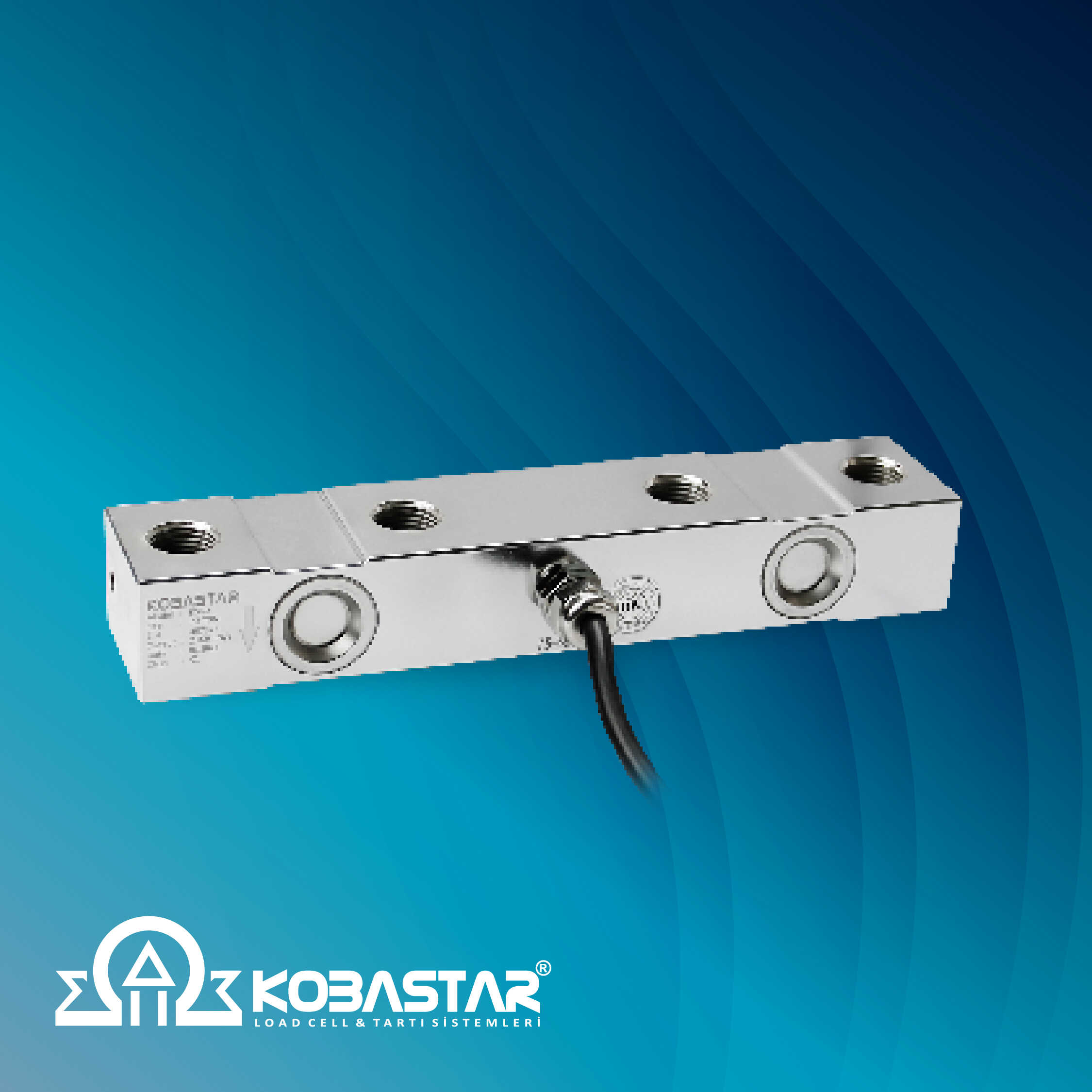
Weight sensors are widely used devices in industrial and commercial applications. The 100 kg weight sensors are particularly suitable for measuring medium-sized loads. These sensors are especially used in areas such as storage, packaging, transportation and industrial processes.
How Do Weight Sensors Work?
Weight sensors are devices designed to measure the weight of an object. These sensors work using force measurement technology. Weight sensors, also commonly known as a load cell, deform when a load is applied and this change is converted into an electrical signal. This signal is amplified by a transmitter device and read by a control unit to determine the weight of the object.
100 Kg Weight Sensor Features
100 kg weight sensors are high capacity sensors generally used in industrial environments. Features of these sensors include:
Capacity: 100 kg weight sensors are designed to measure loads up to 100 kg. It is therefore particularly ideal for measuring medium-sized objects.
Sensitivity: The sensitivity of weight sensors determines the measurement accuracy. 100 kg weight sensors typically have an accuracy of ±0.02% to ±0.05%.
Size: 100 kg weight sensors typically measure 120 mm x 40 mm x 30 mm and are lightweight. These dimensions allow the sensors to be easily mounted in most applications.
Material: Weight sensors are generally made of durable materials such as steel or aluminum. These materials increase the resistance of the sensors to abrasion and ensure their long life.
Temperature Tolerance: 100 kg weight sensors must be resistant to environmental factors. Therefore, sensors are generally designed to operate at temperatures between -10°C and 40°C.
Characteristics of a weight sensor, such as its accuracy, sensitivity, linearity, calibration, size and weight, are important criteria in determining whether it is suitable for a particular application. Additionally, the weight sensor's material quality, protection class and resistance to environmental conditions may also be important for the application.
100 kg weight sensors are often used in industrial applications and therefore have high sensitivity, accuracy and linearity requirements. These sensors are typically made of durable materials such as steel, aluminum or stainless steel and may have a protection rating of IP67 or higher to withstand environmental conditions.
100 kg weight sensors are commonly used in scale applications, industrial weighing systems, material handling and high-precision industrial control systems. The accuracy and precision of these sensors depend on the manufacturer's specifications and calibration and can often vary within the range of ±0.02-0.05%.
A weight sensor should be selected based on the level of precision, accuracy and linearity required by the application. Additionally, the size and weight of the sensor are also important for ease of installation and comfort of use. Material quality and protection class must be taken into account in terms of the durability of the sensor and its suitability for environmental conditions.
100 kg weight sensors are an ideal choice for weighing systems and control systems that require high precision, accuracy and linearity in industrial applications. However, correct selection, installation and calibration of the sensor are vital for accurate measurements and obtaining the desired results.