


18/04/2023
How to Measure Stress with a Load Cell?
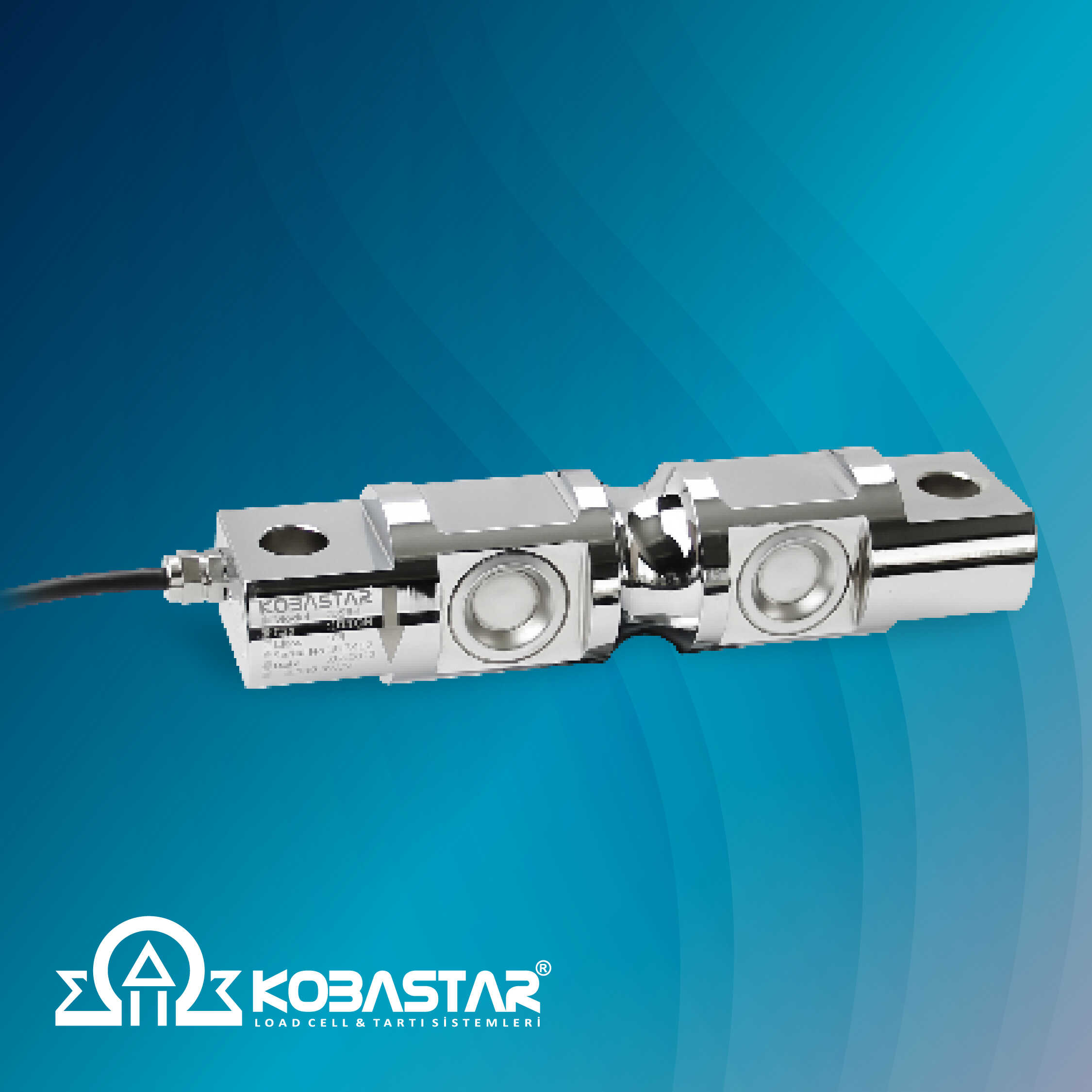
Load cell is a widely used device in engineering, construction, automotive, aerospace and many industrial applications. Load cells are often used to measure a change in tension or deformation of metal wires or metal beams. Therefore, a load cell is often used to measure the amount of deformation or strain that occurs when under load while supporting a structure to make accurate measurements.
To measure tension using a load cell, the surface on which the load cell will be mounted must first be cleaned. The surface must be cleaned of dust and oil and the surface must be properly cleaned. The load cell is then mounted on the surface and the device's cable is connected to the data acquisition device or computer where the measurement will be made.
Correct calibration of the load cell is extremely important to obtain accurate measurement results. The calibration process is done by applying a known load to the load cell. In order to calibrate the load cell correctly, the applied load during the measurement must be known accurately and the sensitivity of the measuring device must be known.
To perform a stress measurement, the applied load is slowly increased and the stress changes detected by the load cell are measured. This operation must be done carefully as the load cell can operate within a certain range and has a certain load limitation. During measurement, it is also important that the load cell is positioned correctly and is not affected by vibration or other external factors during the measurement.
To perform stress measurement, the data acquisition device or computer used with the load cell usually automates the process by recording the measured stress values. The measured data can then be analyzed and the relationship between the applied load and the stress determined.
Since measuring strain with a load cell is a very sensitive process, correct calibration and measurement must be done carefully and accurately enough. Additionally, the manufacturer's instructions must be followed for the correct use of the load cell.
Load cells used to measure stress can be of different sizes and shapes depending on their capacity. There are also load cells that can withstand different environmental conditions.
For example, waterproof load cells are designed for underwater applications. Strain measurement with a load cell is an important measurement method used in many industries. It is used in many applications in the construction industry, such as the durability of reinforced concrete structures, the durability of bridges and the capacity of lifting equipment. In addition, the reliability of components such as the braking system and suspension system of vehicles in the automotive industry can be tested using strain measurement with a load cell.
Strength measurement with a load cell is an important measurement method for the durability of structures, the reliability of vehicle components and many industrial applications. However, if correct calibration and measurement methods are not used, it may cause incorrect results. Therefore, it is extremely important to follow the correct instructions and techniques when measuring strain with a load cell.